For Lizzie Aghabala, finding out she was pregnant again was a moment filled with hope and fear. After two early miscarriages, she and her partner, Som, were cautious. They had lost both pregnancies before 10 weeks, so when Lizzie discovered she was potentially pregnant in November 2025, she struggled to believe it could be real.
Then, at their 12-week scan, came the news that would change their lives. The sonographer turned the screen towards them and said: “Here is the baby… and here is baby number two!”
After everything they had been through, discovering they were expecting twins felt extraordinary. Lizzie had always wanted more than one child and, at 36, wondered if this might be her chance to have the family she had dreamed of.
Their joy was soon accompanied by worry. The twins were monochorionic diamniotic (MCDA), meaning they shared a placenta; Lizzie was aware that this carried additional risks. But for those first weeks, they were just delighted that their babies were there.
At 16 weeks, a routine scan changed everything. The twins were more than 20% different in size, with Twin B not growing as expected. Four days later, specialists at Leeds Children’s Hospital confirmed severe fetal growth restriction (FGR) in Twin B, whom Lizzie and Som later named Lucas.
For ten weeks, every Tuesday brought a mixture of hope and anxiety. Lizzie and Som travelled to Leeds, often barely speaking on the journey. Their greatest reassurance was hearing the babies’ heartbeats.
Navigating Grief booklet
The journey through grief can be incredibly difficult. Our Navigating Grief booklet is here to support all parents who have lost a baby or babies.
At 24 weeks, Lucas’s blood flow had become severely abnormal and their consultant warned that he might not survive. There were also concerns that if Lucas died, the changes in blood flow could cause serious injury to his twin brother, Leo.
At 26 weeks and five days, Lizzie attended York Hospital for what she thought was a routine blood-pressure check. Her consultant offered to check the twins’ heartbeats too. There was only one; Lucas had died.
Lizzie was alone when she received the news. Her thoughts immediately turned to Leo. They knew he was still alive, but they did not yet know whether he had been affected by the loss of his brother.
The following day, Leo’s blood flow had also deteriorated. The decision was made to deliver him two days later.
At 27 weeks, Leo was born by caesarean section, weighing just 588g. For Lizzie and Som, he was their miracle.
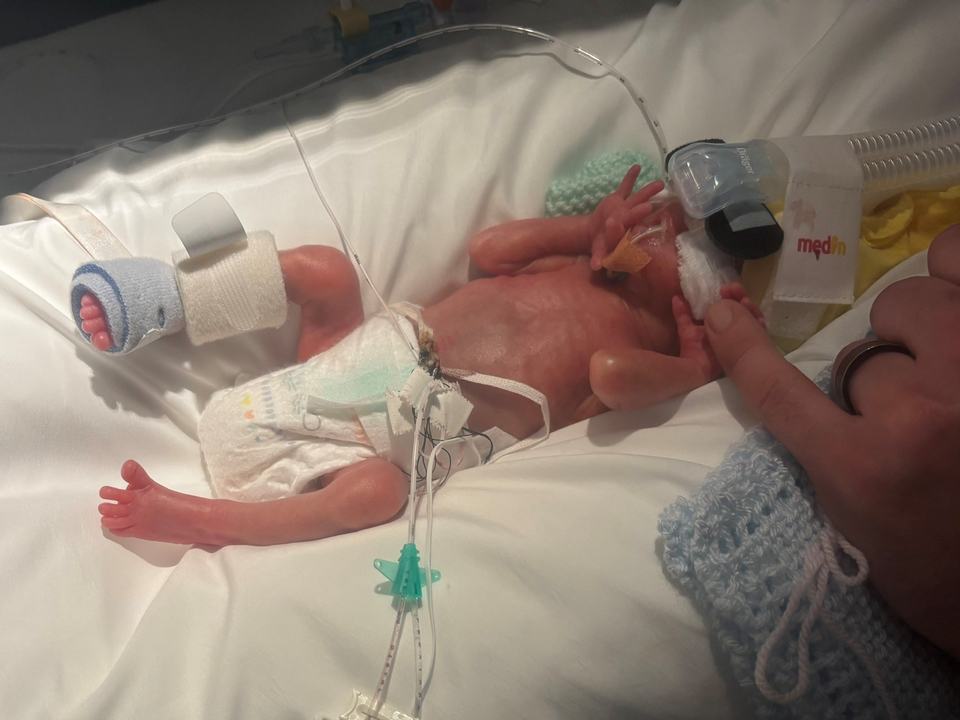
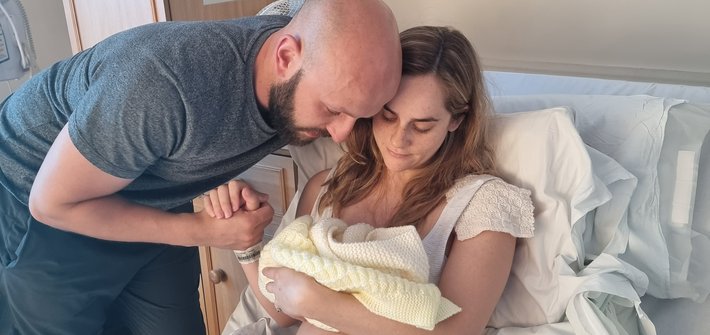
While Leo began his fight in neonatal intensive care, Lizzie was also given the opportunity to hold Lucas and say goodbye. It was an incredibly difficult time, but Lucas remained part of their family and part of Leo’s story.
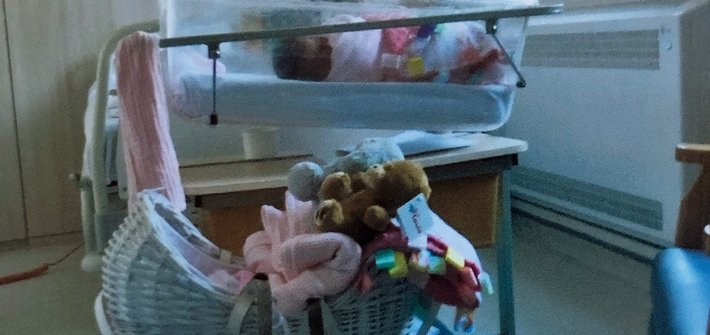
Leo spent 65 days in NICU before finally coming home at 36+2. Throughout his hospital journey, he carried reminders of his brother: a purple butterfly on his incubator, a knitted heart Lizzie called “Lucas’s heart”, and notes that always acknowledged that he was a twin.
For Lizzie, every day with Leo feels precious. She believes he carries his brother’s strength with him.
She also knows there will always be a sense of what might have been. Sometimes she looks at Leo and thinks, I could have two of you. But she also sees his incredible journey. Leo is her miracle baby; the baby who survived against enormous odds and came home.
Online community
Our online support community offers a safe space for parents to talk to others who have experienced the loss of a baby or babies.
Lizzie wants Leo to grow up knowing Lucas. She will tell him about his brother, show him their ultrasound photographs and footprints and explain how a photograph of Leo was placed in Lucas’s coffin so they would always be together.
Her message to other parents facing complications or loss is not to blame themselves. A consultant once told her: “It’s not you; it’s your placenta.” Those words became her mantra.
By sharing her story, Lizzie hopes other twin families will know they are not alone. She found comfort in Twins Trust and wants others to find the same support.
Lucas will always be part of their family, and Leo will always be his twin. For Lizzie, their story is one of unimaginable loss, but also of extraordinary love, resilience and the miracle of bringing her precious twin home.