Key takeaways
Try to avoid comparing your children’s development, strengths or needs
Make space for each child to have their own identity, interests and relationships
Keep family expectations consistent while recognising that each child may need different support
Notice if a sibling is beginning to take on too much responsibility for their neurodivergent brother or sister
Work with school and other professionals to make sure the right support is in place
Parenting twins, triplets or more often means watching children of the same age develop alongside one another. When one child is neurodivergent, those differences can sometimes feel particularly noticeable.
Neurodivergence can include autism, Attention Deficit Hyperactivity Disorder (ADHD), dyslexia and other differences in how someone thinks, learns, communicates or experiences the world.
Every neurodivergent child is different, as is every relationship between twins or siblings. What works for one family may not work for another, but there are some things that can help you support each of your children and their relationship with one another.
Try not to compare your twins
It can be difficult not to compare twins, particularly when they are reaching milestones at different times or have very different strengths and needs.
Try to focus instead on the progress each child is making in their own right. One child may find something easy that their sibling finds difficult, while the opposite may be true in another area.
Recognising and celebrating each child’s individual strengths can help reduce pressure on both of them.
Notice the role the other twin is taking on
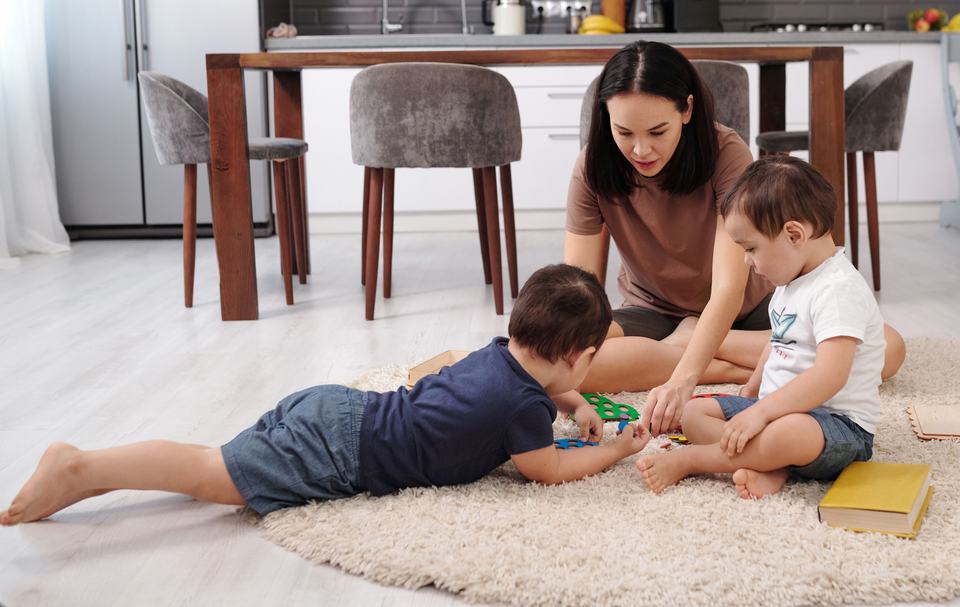
The twin sibling(s) of a neurodivergent child may naturally become protective or want to help them. This can be a positive part of their relationship, but it is important that they do not begin to feel responsible for their sibling.
Look out for signs that they are taking on more of a caring role than feels appropriate for their age, such as regularly speaking for their sibling, managing situations for them or feeling they always need to look after them.
Reassure them that adults are responsible for providing their sibling with the support they need and that they are allowed to simply be their brother or sister.
Make time for each child individually
Finding one-to-one time can be challenging when you have twins, triplets or more, but it does not need to involve a big day out.
A walk, trip to the park or shops, a drink together or even a short period at home doing something they enjoy can give each child the chance to have your full attention.
This can be especially valuable if one twin’s neurodivergence or additional needs can sometimes require more of your time and energy. Regular individual time can help each child feel seen and give them space to talk about anything that is important to them.
We've got you
If you need to talk things through, we're here to help. Our trained helpline volunteers are here to listen and everyone you speak to is a parent of twins, triplets or more, so they get it.
Work with the education setting to get the right support
Keeping in regular contact with your child’s school or nursery can help everyone understand what they need and which approaches work best.
Share what you notice at home and ask teachers what they are seeing in the classroom. Your child may behave differently in different environments and bringing those perspectives together can help build a fuller picture.
Depending on your child’s needs, additional support, assessments or an Education, Health and Care Plan (EHCP) may be appropriate.
It can also be useful to talk to school about the relationship between your twins. Where possible, each child should have the opportunity to develop independently rather than one automatically being expected to support or speak for the other.
Keep boundaries consistent, but adapt the support
Treating children fairly does not always mean treating them exactly the same.
You can have the same family expectations for your children while recognising that they may need different support to understand or meet them.
For example, one child might manage a change of plan easily while another needs more warning, a visual timetable or a clear explanation of what will happen next.
Adapting the way you support one child is not giving them preferential treatment. It is about giving each child what they need to succeed.
Real stories from your community
Parenting a neurodivergent twin
Raising twins can bring different challenges when one child is neurodivergent. Connie and Scarlett’s mum shares how she supports both daughters as individuals.

Encourage separate friendships and interests
Twins can have an incredibly close relationship, but having opportunities apart can help each child develop their own identity.
Encourage them to explore activities they enjoy, make their own friends and spend time with other people without always being together.
This may be particularly important if other people tend to see one child primarily in relation to their sibling or focus on their neurodivergence.
Having their own interests and relationships can help both children build confidence and recognise what makes them unique.
Remember that different does not mean less
Your children’s paths may not look the same – and they do not need to.
They may reach milestones at different times, enjoy different things or need different levels of support as they grow. Try to avoid measuring one child’s achievements against their twin sibling’s.
Instead, give each child the space and encouragement to develop in the way that is right for them.
Parenting a neurodivergent child alongside their twin or siblings can bring additional things to think about, but you do not need to make everything equal for it to be fair. By recognising each child’s individual needs, protecting their sibling relationship and giving them opportunities to grow independently, you can help each of them feel supported for who they are.
Connect with other parents
Our online communities are by you and for you. They're here to offer support and shared understanding for parents of twins, triplets or more.
Published