Key takeaways
You don’t need to buy everything before your babies arrive – focus first on what you’ll need in the early days
Some items, including car seats and mattresses, are best bought new for safety
Clothes, prams, play mats and other equipment can often be bought second-hand or borrowed
You may not need one of everything for each baby, so think about what can be shared safely
Buying items gradually, accepting hand-me-downs and asking for practical gifts can all help spread the cost
Always check second-hand equipment is complete, in good condition, meets current safety standards and hasn’t been recalled
Finding out you’re expecting twins, triplets or more can bring lots of different emotions. Alongside thinking about your pregnancy and preparing to welcome your babies, you may also be wondering how much everything is going to cost.
There can seem like a very long list of things to buy, but you don’t necessarily need everything at once – or everything new.
Our premium members have access to our Preparing for Parenthood booklet which includes a list of equipment you may find useful when caring for your babies. But what do you really need from the start? What is worth buying new? What can you safely buy second-hand or borrow? And what can wait until later?
Here are some ways to prepare for your babies while spreading the cost.
Things we recommend buying new
Car seats
Even if you’re not leaving hospital with your babies by car, you will need to show the hospital staff that you have suitable car seats for all your babies.
We recommend buying car seats new. With a second-hand car seat, you may not know its full history or whether it has previously been involved in an accident. Damage is not always visible and wear and tear can also affect how well a seat protects your baby.
Mattresses
There are different options for where your babies can sleep, including cots, cribs and Moses baskets.
If possible, buy a new, firm, flat and waterproof mattress for each baby's sleep space. You may be able to save money by buying or borrowing the cot or Moses basket itself second-hand, provided it is in good condition and meets current safety standards.
Twins can share a cot in the early weeks and months if safer sleep guidance is followed. Once either baby starts to roll or move around the cot, they will need separate sleep spaces. Twins should not share a Moses basket due to air flow - our Safe sleep guidance sets out how to safely co-bed your multiples.
Remember that your babies will need a safe place to sleep for every sleep, including naps during the day. A portable sleep space such as a Moses basket may be useful if you want something that can easily be moved between rooms.
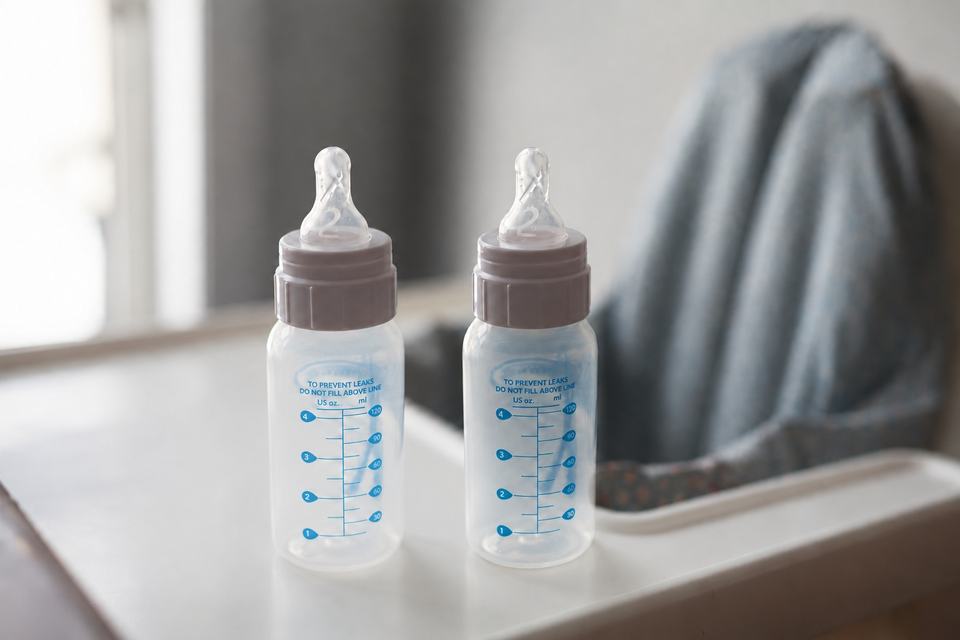
Bottles and sterilising equipment
If you are using bottles to feed expressed breast milk or formula, you will need bottles and a way to sterilise your feeding equipment.
You don't necessarily need an expensive electric steriliser. Cold-water sterilising equipment can be a lower-cost option. Always follow the manufacturer's instructions.
You may also find second-hand steam sterilisers for sale, but check their condition carefully before buying.
Nappies
Whether you choose disposable or reusable nappies, they can make up a significant part of your ongoing costs.
If friends or family ask what they can buy for your babies, nappies can be a very practical gift. Try not to stock up on too many of the smallest sizes, as you may find your babies grow out of them before you have used them all.
Some local councils also offer incentives or starter schemes for reusable nappies, so it is worth checking what is available in your area.
Wipes and cotton wool
Many parents use cotton wool and water in the early days, which can help keep costs down.
If you plan to use baby wipes, look out for offers or multipacks. Adding a packet to your regular shop every now and again before your babies arrive can also help you spread the cost.
Save with Premium Membership
Access 100+ discounts, offers and everyday savings designed to make life with multiples a little easier and more affordable
Things that are often good to buy second-hand or borrow
Clothes, sheets, blankets, muslins and bibs
Babies grow very quickly, so there is often no need to buy lots of new clothes.
Simple sleepsuits and bodysuits can be particularly practical in the early weeks. You may need several changes of clothes each day, but try not to buy too much in one size.
Second-hand clothing bundles can be a great way to save money and friends and family may have clothes they are happy to pass on.
Muslin cloths are also useful for all sorts of everyday jobs, so having plenty to hand can be helpful.
Baby banks across the UK may also be able to help families with clothes and equipment. You can search for a baby bank near you through organisations such as Little Village or the Baby Bank Alliance. Most baby banks will require a referral to be made by a health professional or similar.
Pram or pushchair
A suitable pushchair can be one of the bigger purchases when you are expecting twins, triplets or more, so buying second-hand can make a considerable difference.
Check that anything you buy is in good condition, has all its parts and instructions and has not been recalled.
If you're expecting triplets or more, larger pushchairs can sometimes have longer delivery times, so this may be one item worth researching earlier in your pregnancy. Our online community for parents of triplets or more is filled with tips from other parents about this. Some families opt for a double and a single pram, and use a sling in conjunction with the double pram when going out solo.
Breast pump
If you plan to express breast milk, you may not need to buy a breast pump straight away.
Depending on your circumstances, you may be able to borrow or hire a pump through your hospital or maternity service. Some breast pump manufacturers also offer rental schemes.
It can be worth waiting until you know what you need before investing in one yourself.
Useful items that don't necessarily need to be bought straight away
Slings and baby carriers
A sling or baby carrier can be useful, but it isn't something every family needs from day one.
If you have a sling library locally, you may be able to try different options or hire one before deciding what works best for you and your babies.
Always make sure the sling or carrier is suitable for your baby's age and weight and that you know how to use it safely.
Bouncy chairs
Bouncy chairs aren't essential when your babies first come home, so this is something you could buy later if you find you need them.
Some parents of twins, triplets or more find them useful when caring for more than one baby, as they provide somewhere to put one baby safely while attending to another.
They are often available in good condition second-hand and can usually be sold on again once you've finished with them.
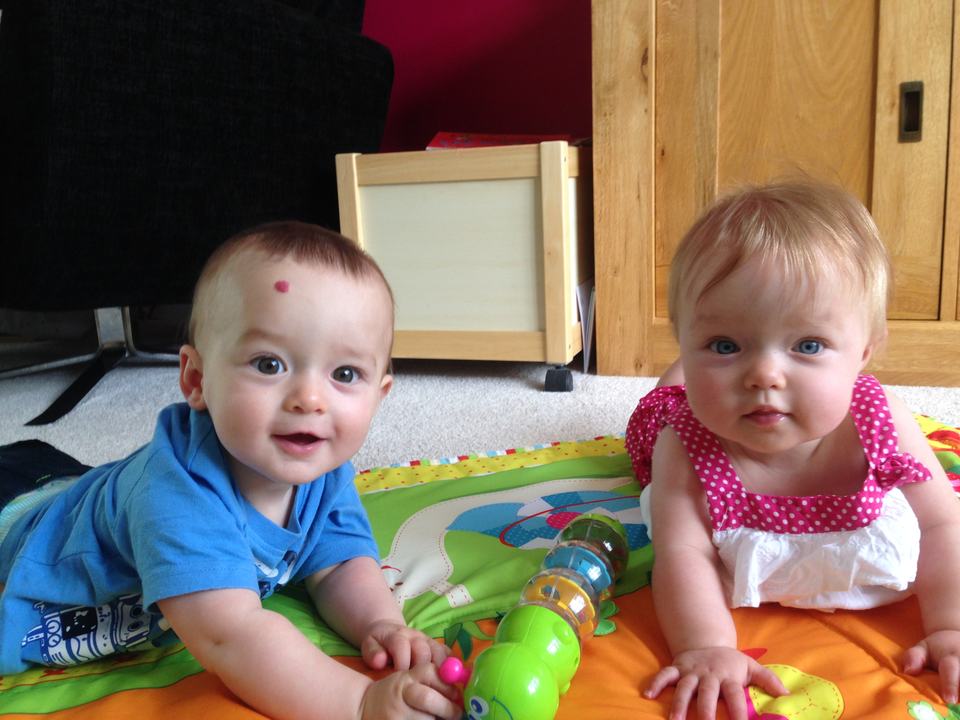
Play mat
You don't need one play mat for each baby. A larger mat may give your babies enough room to play together or they can take turns.
This is another item that can often be found in excellent condition second-hand and it isn't something you'll necessarily need immediately.
Baby sleeping bags
Sleeping bags can be a useful alternative to blankets once you have found one that is suitable for your baby's size. If you’re using a baby sleeping bag, make sure it is well fitted around the neck and shoulders, so the baby can’t wriggle down inside. Guidance is usually by weight rather than size, so make sure you check this.
You don't need to stock up before your babies arrive. If buying second-hand, check the sleeping bag carefully for signs of wear and make sure you know its tog rating and that it is the correct size for your baby.
Always follow the manufacturer's guidance about what your baby should wear underneath it and consider the temperature of the room.
Feeding pillow
Some parents of twins or more find a feeding pillow very useful, particularly for feeding more than one baby at a time.
They aren't essential, though, and you may find ordinary pillows or cushions work well for you. Waiting until your babies arrive can help you decide whether this is something worth buying.
Feel prepared for life with twins
Expecting twins? Get practical, bite-sized guidance plus access to an interactive drop-in session where you can ask questions, with our Preparing for twins on-demand course.
Items that can be useful but aren't essential
Formula preparation machines
Some families find formula preparation machines save time, but it is important that formula is prepared safely.
If you use a formula preparation machine, NHS guidance says the water must be at least 70°C when it mixes with the formula powder. Follow the manufacturer's cleaning and maintenance instructions carefully and regularly check that the machine is working as intended.
You don't need a formula preparation machine to bottle feed your babies. Formula can be safely prepared using freshly boiled tap water following NHS guidance.
Changing mats
Having a changing mat upstairs and downstairs can be convenient, but you don't need two – or necessarily even one.
A clean towel on a safe, flat surface can work just as well, so this is something you can add later if you find it would make life easier.
Baby bath
A baby bath can help some parents feel more confident when bathing newborn babies, but it isn't essential.
They are widely available second-hand and babies tend to outgrow them quickly. You can also use your usual bath if you feel comfortable doing so.
There is no need to bathe your babies at the same time, especially when they are small, so one baby bath is enough.You can also get bath seats and aids which sit in the bath - while your babies are small we don’t recommend you put them in the bath together so again you would only need one of these to start with.
Baby monitor
You may not need a baby monitor straight away. Safer sleep guidance recommends that babies sleep in the same room as you for at least their first six months, including for daytime naps.
You can decide later whether a monitor would be useful for your family.
Nappy bag
You don't need a specialist changing bag. When you're caring for twins, triplets or more, the most important thing is having enough room for everything you need.
A large backpack you already own can work just as well and may be easier to carry while keeping both hands free.
Connect with other parents
Our online communities are by you and for you. They're here to offer support and shared understanding for parents of twins, triplets or more.
Take your time
Preparing for twins, triplets or more doesn't mean you have to buy everything before your babies arrive.
Focus first on what you will genuinely need in the early days. Borrowing, buying second-hand and asking friends and family for practical gifts can all help reduce costs. You can then add other items as you work out what suits you and your babies.
Where you do buy second-hand, check that equipment is complete, in good condition, meets current safety standards and hasn't been recalled. For safety equipment such as car seats, and where possible for mattresses, buying new is recommended.
Most importantly, don't feel under pressure to buy every baby product you see. Your babies need much less equipment than it can sometimes seem.
Published