Key takeaways
Pre-eclampsia is around two to three times more common in twin pregnancies than in pregnancies with one baby.
Regular blood pressure and urine checks can help your maternity team spot signs of pre-eclampsia.
Contact your maternity unit promptly if you develop symptoms, even if recent checks were normal.
Your maternity team can monitor and manage pre-eclampsia, with earlier birth recommended if the condition becomes severe.
If you’re expecting twins, triplets or more, your midwife or doctor may have talked to you about pre-eclampsia. That’s because the condition is more common in multiple pregnancies.
Pre-eclampsia is a pregnancy condition that usually develops after 20 weeks. It’s linked to how the placenta works and causes high blood pressure, together with other symptoms that tell us the pregnancy is affecting you or your placenta.
The main sign is a new case of high blood pressure after 20 weeks of pregnancy. In some cases, it can also cause protein to appear in your urine, or affect the function of your kidneys or liver, but the symptoms are different from person to person.
Pre-eclampsia can sometimes affect how well the placenta supports your babies. This may cause one or both babies to grow more slowly.
The condition is around two to three times more common in twin pregnancies than in pregnancies with one baby. The risk is higher still if you’re expecting triplets.
Pre-eclampsia usually develops during pregnancy. However, it can occasionally appear for the first time after your babies have been born.
Know the care you should be receiving
Empower yourself by knowing what type of care you should be receiving at each stage of your pregnancy and the questions you should be asking by downloading our antenatal care checklist.
Pre-eclampsia symptoms and checks to know about
You may not have any symptoms when pre-eclampsia first develops. That’s why regular blood pressure and urine checks during pregnancy are so important.
Contact your maternity unit promptly if you develop:
- a severe headache that doesn’t go away
- problems with your vision, including blurred vision or flashing lights
- a sudden increase in swelling, particularly around your face or hands (some gradual swelling around the feet or ankles is normal in multiple pregnancy, but speak to your health professional if there is a sudden change)
- severe pain just below your ribs, particularly on your right side
- new or severe shortness of breath
- nausea or vomiting later in pregnancy
- a sudden or significant feeling that you’re unwell
These symptoms need to be assessed even if your blood pressure was normal at a recent appointment.
You should also contact your maternity unit straight away if your babies’ usual movements reduce or change significantly.
Pre-eclampsia after birth
Symptoms of pre-eclampsia can develop for the first time or worsen after birth too. If you experience severe headaches, changes to your vision, breathlessness, pain below your ribs, or feeling very unwell, seek urgent medical advice.
Reducing your risk and monitoring pre-eclampsia
Some people with a higher risk of pre-eclampsia are advised to take low-dose aspirin during pregnancy. A multiple pregnancy is one recognised risk factor which health professionals consider alongside other factors.
Your maternity team will assess your individual risk factors early in pregnancy. These can include things like your medical history, and the type of twin/triplet pregnancy you have. They’ll tell you if they recommend aspirin for you.
In the UK, the recommended dose is usually 75–150 mg once a day from 12 weeks. Your maternity team will advise how long you should take it for. Only take aspirin during pregnancy if your healthcare professional has recommended it.
If your team suspects pre-eclampsia, you may have your blood pressure checked again. You may also have urine tests, blood tests and additional ultrasound scans.
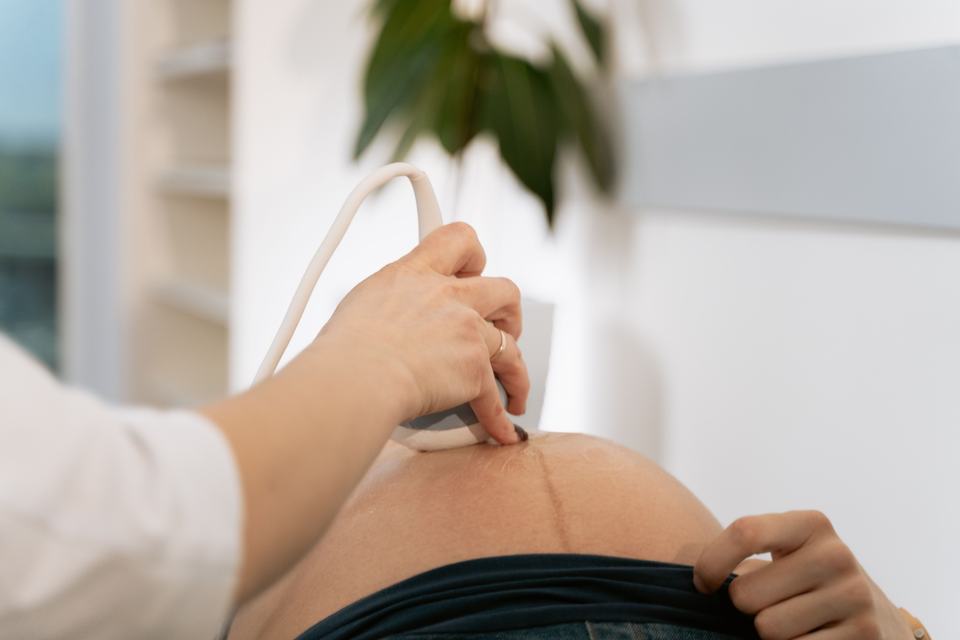
These scans can check your babies’ growth, amniotic fluid and blood flow through the placenta.
Before 37 weeks, if you have symptoms that could be caused by pre-eclampsia, you may be offered a blood test that measures placental proteins such as PlGF. This can help your team assess whether pre-eclampsia is likely.
If your blood pressure is high, you may be offered medication to lower it. You might also need more frequent appointments.
If pre-eclampsia is more severe, you may need to stay in hospital so your maternity team can monitor you more closely.
We've got you
If you need to talk things through, we're here to help. Our trained helpline volunteers are here to listen and everyone you speak to is a parent of twins, triplets or more, so they get it.
Treatment, earlier birth and when to get help
Pre-eclampsia usually continues until the birth of your baby or babies and the placenta. Your team will consider the benefits and risks of continuing your pregnancy carefully.
However, pre-eclampsia can also continue or develop for the first time after birth, so your health professionals will keep checking you for symptoms after your babies are born.
If your pre-eclampsia becomes severe, your maternity team may recommend an earlier birth. Some people worry that developing pre-eclampsia automatically means that you will need to have an immediate C-section birth, but this is not always the case, and your maternity team will be able to advise you on the safest timing and type of birth.
Depending on your stage of pregnancy, you may be offered corticosteroid injections. These can help your babies’ lungs mature if they’re likely to be born early.
You may also be offered magnesium sulphate. This can reduce your risk of seizures and, when birth is very preterm, help protect your babies’ brains.
If you’re worried about possible symptoms of pre-eclampsia, don’t wait until your next appointment. Contact your maternity unit or maternity triage service straight away. Most units provide advice 24 hours a day.
Your maternity team will monitor you carefully because pre-eclampsia is more common in twin and triplet pregnancies. Attending your antenatal appointments and knowing the symptoms can help you get prompt assessment and care.
Most people who have a twin or triplet pregnancy will not develop severe pre-eclampsia. Attending regular appointments during your pregnancy helps to spot changes early so that the safest care can be planned for you and your babies.
Connect with other parents
Our online communities are by you and for you. They're here to offer support and shared understanding for parents of twins, triplets or more.
Published
