Key takeaways
Attend all your antenatal appointments and scans so your maternity team can monitor you and your babies.
Eating well and staying gently active can help you look after yourself during pregnancy.
Avoiding smoking, drugs and alcohol can help reduce risks to your babies.
Speak to your maternity team if you notice new symptoms or have any concerns.
Understanding care during a twin or triplet pregnancy
You may have heard your multiple pregnancy described as ‘high-risk’. This can sound worrying, but understanding the risks can help you feel more prepared.
Twins and triplets have a higher chance of being born early, which is also called preterm birth. There’s also a higher risk of stillbirth than in pregnancies with one baby.
Multiple pregnancy can also increase the chance of complications affecting you or your babies. These can include changes in blood pressure, diabetes, anaemia and differences in your babies’ growth.
Some multiple pregnancies can also be affected by complications like Twin-to-Twin Transfusion Syndrome (TTTS).
Everyone involved in your pregnancy can play a part in managing these risks. Your maternity team should care for you in line with NICE guidance for twin and triplet pregnancy.
Knowing what type of multiple pregnancy you have can also help you understand the care you’ll receive.
Feel prepared for life with twins
Expecting twins? Get practical, bite-sized guidance plus access to an interactive drop-in session where you can ask questions, with our Preparing for twins on-demand course.
Looking after yourself through antenatal care
One of the most important things you can do is attend all your appointments and scans.
Your antenatal care gives your healthcare team regular opportunities to check how you and your babies are doing. It can also help them spot signs of complications early.
Depending on your circumstances, your healthcare professionals may recommend preventative treatment, including medication.
Your appointments should also include conversations about the possibility of preterm birth and the type of birth you might have.
You can download a copy of the antenatal care pathway to help you keep track of your care. It explains when appointments should happen and what you can expect at each one for the relevant pathway.
It’s also important to tell your maternity team if something changes between appointments.
Contact them if you’re concerned about symptoms such as sudden shortness of breath, new pain or feelings of tightness.
Eating well, staying active and reducing pregnancy risks
Eating a balanced range of foods can support a healthy pregnancy and your babies’ growth and development.
Slow-burning foods can help keep your blood sugar levels stable and may help you feel satisfied for longer. These include wholegrain bread, crackers, vegetables, beans, brown rice, oats and wholegrain pasta.
Try combining these foods with some protein, such as cheese, nuts or meat.
There are also foods you should avoid during pregnancy, including:
- unpasteurised dairy
- liver and game meats
- raw or undercooked meat
- eggs without the British Lion mark
- raw fish or shellfish
You can find more information about foods to avoid during pregnancy on the NHS website.
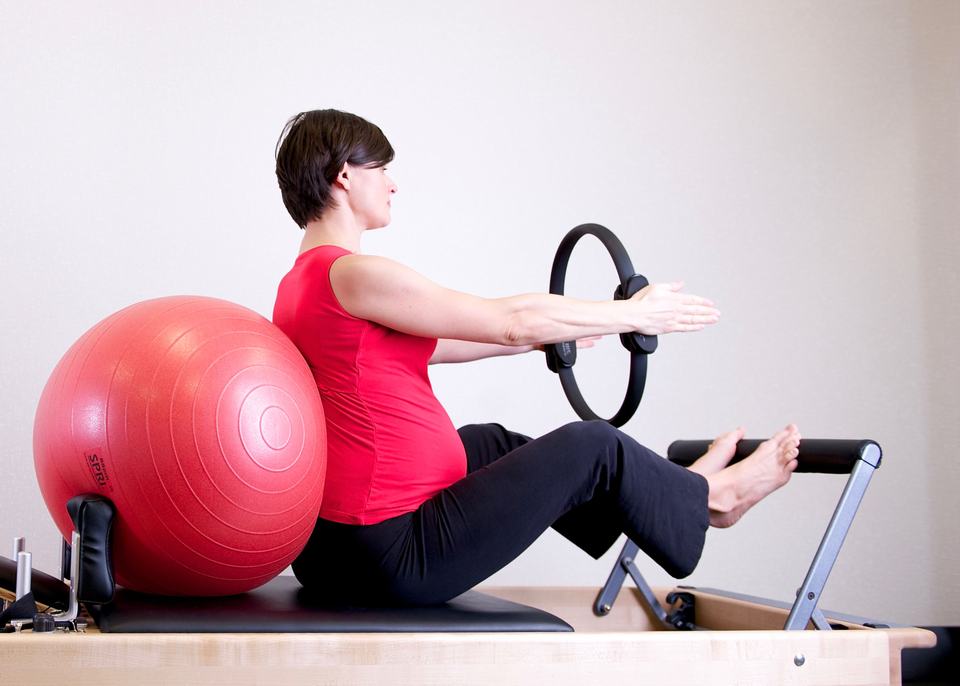
Gentle exercise can also help ease tension, maintain muscle tone and help you prepare for labour.
You could try activities such as swimming, yoga, walking, aquanatal classes, Pilates or tai chi.
Start slowly and pay attention to how you feel. Stop exercising if you experience pain, cramping or shortness of breath.
Speak to your doctor or midwife if you’re unsure whether an activity is suitable for you.
Healthy multiple pregnancy guide
Our healthy multiple pregnancy guide covers pregnancy, birth and the early days after your babies arrive, with clear advice on what to expect and where to find support. Join now as a Premium Member to access this and much more.
You’re strongly advised not to smoke or take drugs during pregnancy. Smoking can increase the risk of low birthweight and preterm birth.
Your healthcare team can give you advice and support to stop smoking. This can include discussing the risks and benefits of nicotine replacement therapy.
Find out more about stopping smoking during pregnancy on the NHS website.
If you’re pregnant, the safest approach is not to drink alcohol at all. This keeps the risks to your babies as low as possible.
Drinking alcohol during pregnancy can cause long-term harm to your babies. The more you drink, the greater the risk.
You can read more about alcohol and pregnancy on the NHS website.
Getting support when something doesn’t feel right
There’s a lot to think about when you’re expecting twins, triplets or more. You don’t need to work out every concern by yourself.
If you have questions about your pregnancy, speak to your healthcare professional. They can help you understand what’s happening and advise you about what to do next.
If you notice new symptoms or something doesn’t feel right, contact your maternity team for advice. Keeping your appointments and sharing concerns promptly can help your team give you and your babies the right care.
We've got you
If you need to talk things through, we're here to help. Our trained helpline volunteers are here to listen and everyone you speak to is a parent of twins, triplets or more, so they get it.
Published