-strap.svg)
The feelings of guilt first crept in for new mum Jo just days after her twins were born.
As her daughter Pearl stayed with Jo, her son, Edward, was in the Neonatal Intensive Care Unit (NICU), and Jo struggled with the twins being separated so soon after birth.
Luckily Jo was open and honest with those around her when she realised she wasn’t feeling herself – and was later diagnosed with postnatal depression. Jo had been under the care of the perinatal mental health team during her pregnancy. She also called the Twins Trust helpline, as well as completing some of the courses available to parents.
She said: "Twins Trust has really helped me and I’ve phoned the helpline a couple of times for support. We did a few courses and they were so helpful.”
She’s bravely shared her feelings about postnatal depression and what kept her going when times felt really tough.
She said: “My partner, Stephen, and I had been trying for a baby not all that long, a few months, after we both turned 40. We had made a conscious decision to have time for ourselves before having a family. We got pregnant relatively quickly and were very excited.
“To be pregnant with twins was quite a shock, that’s an understatement really. I nearly fainted when I found out. Stephen was laughing hysterically, he was in shock. I just couldn’t believe it, it just wasn’t in our minds at all. I hadn’t thought of the possibility of multiples.”
After discovering she was going to be a twin mum, Jo said she was faced with the worries about the practical side of having two babies.
She added: “It took me a while to get my head around it. I was worried about finances, having a one-bedroom house and a small car. I was worried how we would cope mentally as well as financially. Our consultant told us at the time about Twins Trust.
“People who do leave it later in life find it more of a shock because they have had their time being fairly independent and having more disposable income. So it’s life-changing to go from that to twins.”
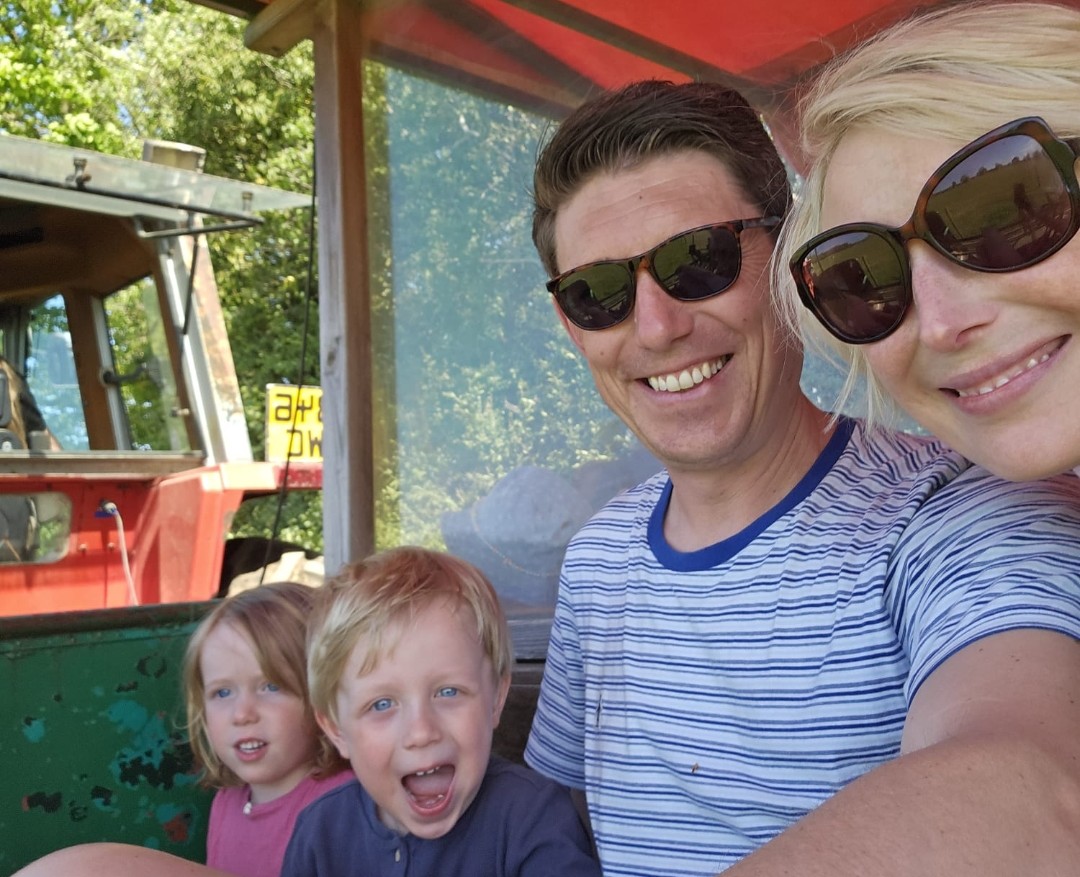
Jo had struggled with depression, anxiety and OCD prior to her pregnancy and was referred to the local Perinatal Mental Health Service. The sessions with the Perinatal Mental Health team were with an Occupational Therapist who provided practical ideas around routine and emotional support. A Psychoanalytic Therapist provided counselling too. Jo said their support during her pregnancy was fantastic. They helped her to prepare for the arrival of the twins and suggested any coping strategies that might help her as a new mother.
Jo had morning sickness in the first four months of her pregnancy but said generally her pregnancy was smooth, until the final few weeks when she was diagnosed with pre-eclampsia.
She added: “I took anti-depressants during my pregnancy. The doctors checked it was safe for me to do this and felt it was more important that the mother's mental health was managed.
After being diagnosed with pre-eclampsia, Jo had a C-section two weeks earlier than planned, at 35 weeks.
“That was scary,” she said. “I had a C-section planned and I felt in control then. In the end, I didn’t really get the birth I planned. That took me a long time to come to terms with. The control was completely taken away from me.”
The twins’ birth went well but Jo did haemorrhage, and this led to her staying in hospital for two weeks after the twins were born.
She added: “The babies were a bit underweight and Edward had a feeding tube.
“Physically I felt fine, on a bit of a high, but mentally I was struggling that Edward and Pearl were separated. Edward was on NICU for a few days and Pearl was with me. I felt all sorts of feelings of guilt and it was strange not having them together. There was a lot of worry and anxiety. I was happy to have them but it wasn’t as I had planned. I still felt in shock a few weeks later after the C-section. It was a lot to take on board. Trying to breastfeed multiples was hard at the same time.”
While Jo was happy about the support she got in hospital, she said the return home felt tough as she faced the realisation of looking after two babies.
She said: “For the first few months I managed, I had a lot of support from my mum and visitors. Yet when that stopped, I really struggled. That’s when I felt the depression and low mood coming in. I felt like I couldn’t cope and I had no time for me, I felt like I was in survival mode all the time.
“I felt a lot of guilt as people kept saying how lucky I was to be a twin mum but some days I just didn’t feel lucky. Your whole life changes and I found it really hard.”
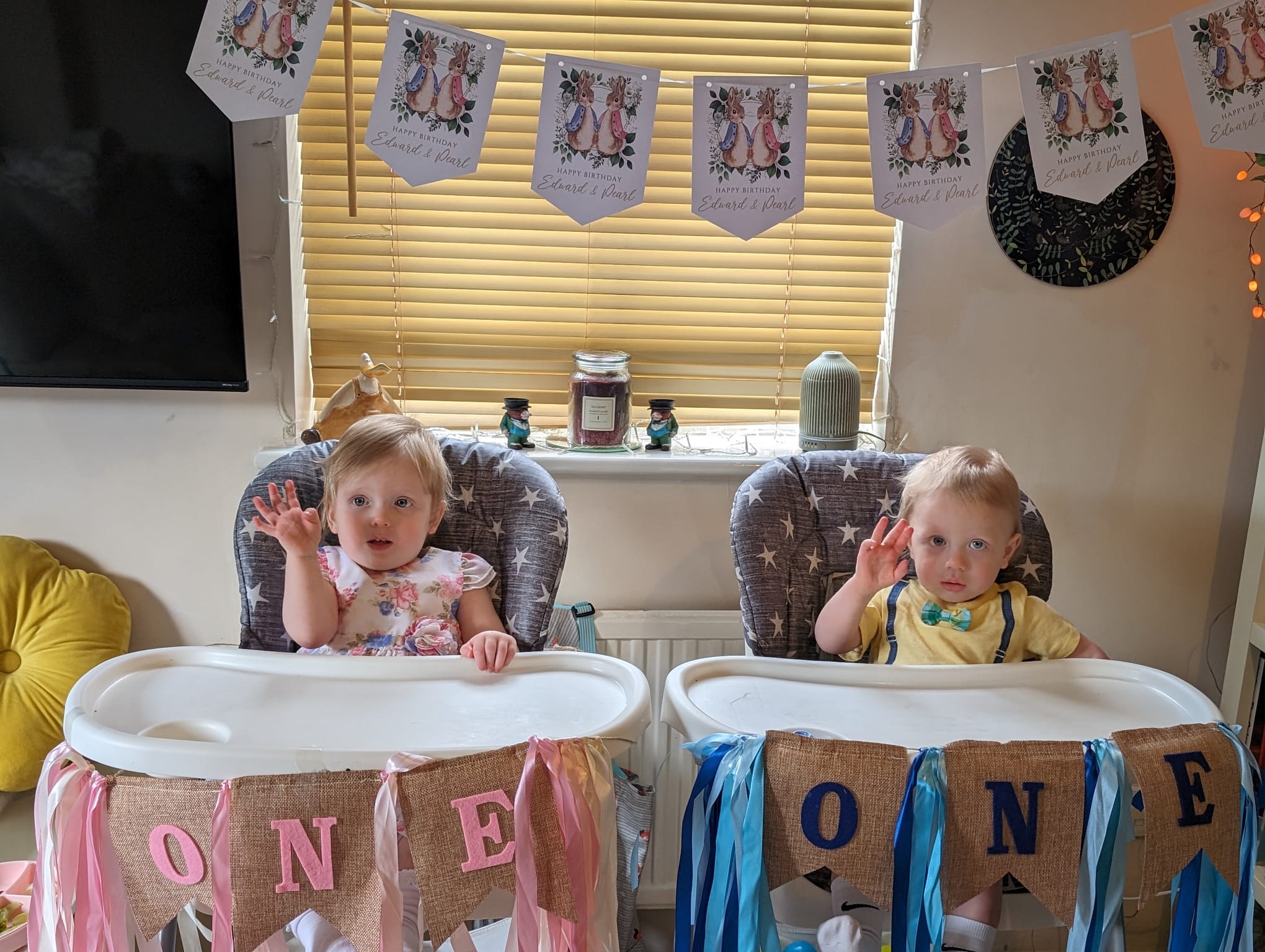
Even a year after the twins were born, Jo was signposted to other agencies who could help, including Twins Trust and private therapy. Up until the babies turned one, Jo was supported by the perinatal mental health team. They helped her to put practical things in place, like planning a routine for the day and discussed bonding with the babies too.
There is always help and support available
She said: “I never felt alone. There are services out there that can help you. If you’re struggling with the news of having multiples, having that support to help ground you and prepare for what’s to come is invaluable. Find your tribe and use social media to connect with others.”
“The times when I found it hard with the twins seemed to tie in with milestones – change is a big thing for people with anxiety and depression. It was about letting go of the idea of perfection and concentrating on what was enough to keep us all well.
"I started going to classes at the local chilldren's centre - these services are invaluable for meeting other parents going through it and I was assigned a Family Development Worker, who was incredibly supportive and even opened up about her own experiences. I went to a twins’ forum, like a little twin meet-up group. I met other people going through it. I regularly went to the West London Twins Halloween and Christmas parties, organised by another twin mum.
“I still struggle but I know better how to cope. There is always help and support available so never hesitate to reach out to someone."
What support is available?
Find out more about mental health support and wellbeing here.
Our helpline offers free support to parents and families of twins, triplets and more or professionals working with multiple birth families.
It is open Monday to Friday from 10am to 1pm and 7pm to 10pm (excluding bank holidays), or send us a message via WhatsApp, SMS or email anytime and our helpline volunteers will respond during our opening hours. Speak to our helpline volunteers for confidential advice and support. Call 0800 138 0509.