The UK Covid-19 Inquiry has today published its report into Module 3, which assessed the impact of the pandemic on healthcare, including examining how healthcare systems responded and the impact on services, patients and healthcare staff.
Twins Trust worked as part of the Pregnancy, Baby and Parent Organisations (PBPO) to provide evidence to the inquiry, collected from the experiences of families either expecting or with twins, triplets or more.
We welcome the findings, confirming what families, frontline professionals, and charities have been saying since the start of the pandemic: maternity and neonatal services were not prioritised as they needed to be.
The Inquiry's acknowledgment that maternity must be seen as a high-priority area in healthcare planning is a crucial and overdue step. Throughout the pandemic, pregnant women, birthing people and new parents faced disrupted care at some of the most vulnerable times in their lives. For many, this led to trauma, unsafe experiences, and, in some cases, devastating loss.
Join now to keep up to date
Get our latest news, support updates and practical resources straight to your inbox - join as a Free or Premium Member today and opt-in to receive email updates.
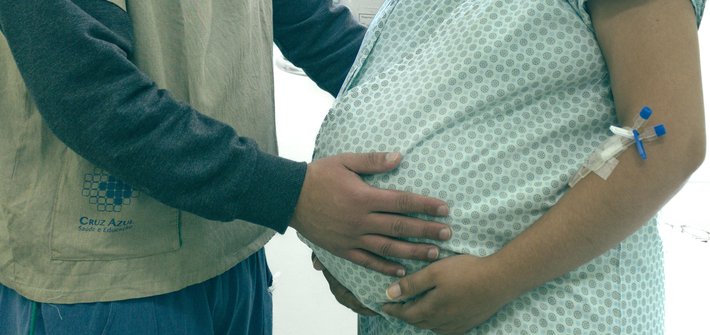
The PBPO fully supports the Inquiry's conclusion that partners should never have been treated as 'visitors'. Partners are an essential part of pregnancy, labour, birth, neonatal care and early parenting. Excluding them caused unnecessary harm, increased trauma and took away important support for both parents and babies.
We especially appreciate that the Inquiry recognises the deep impact on those who experienced pregnancy and baby loss during this period. Many faced this heartbreak without the emotional and clinical support they deserved. The inconsistent access to partners and support networks made grief even harder, leaving many to handle unimaginable moments alone.
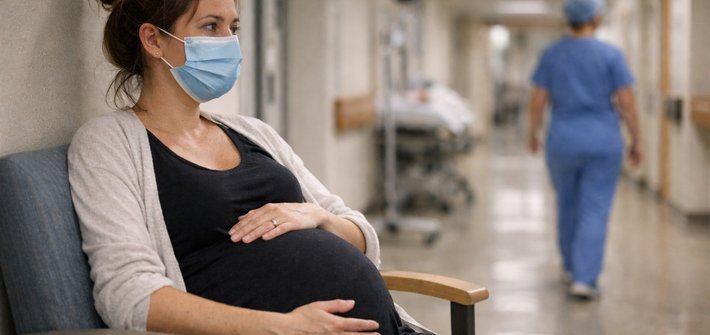
During this time, many also hesitated to seek care because restrictions, mixed messages and fear of healthcare settings made them unsure if services were accessible or safe. Instead of encouraging timely contact, which is crucial for spotting risks and complications, policies unintentionally created barriers that delayed critical care.

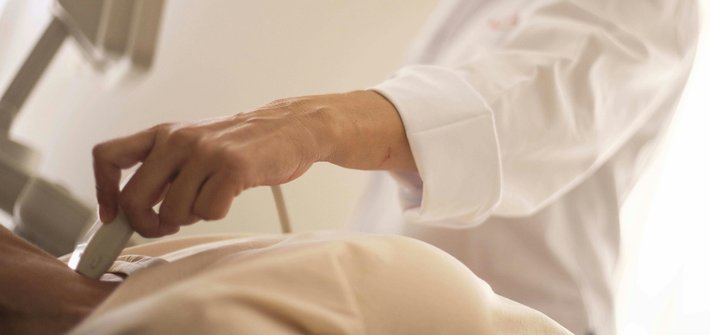
At the same time, remote appointments were often used instead of in-person assessments, even though they were not suitable for many parts of antenatal care. Important clinical checks, emotional support and safeguarding discussions could not be effectively done over the phone or via video. For women with complications, first-time parents, those with limited access to technology and families facing social or language barriers, remote care widened existing inequalities. As a result, many women missed out on timely, relationship-focused, hands-on care when they needed it most.
It is also important to remember that frontline maternity and neonatal staff worked under immense pressure, often facing unclear, rapidly changing, or delayed national guidance. We acknowledge and deeply appreciate the commitment, compassion and resilience shown by midwives, neonatal staff, health visitors and all those who provided essential care during challenging times.
Throughout this period, charities stepped in to fill the gaps, providing emotional support, information and continuity of care when statutory services were unable to do so. We supported so many families in crisis, but charities should never again be required to replace essential maternity and neonatal services.
We stand ready to work collaboratively to ensure that what families experienced during Covid-19 is fully understood, and never repeated.